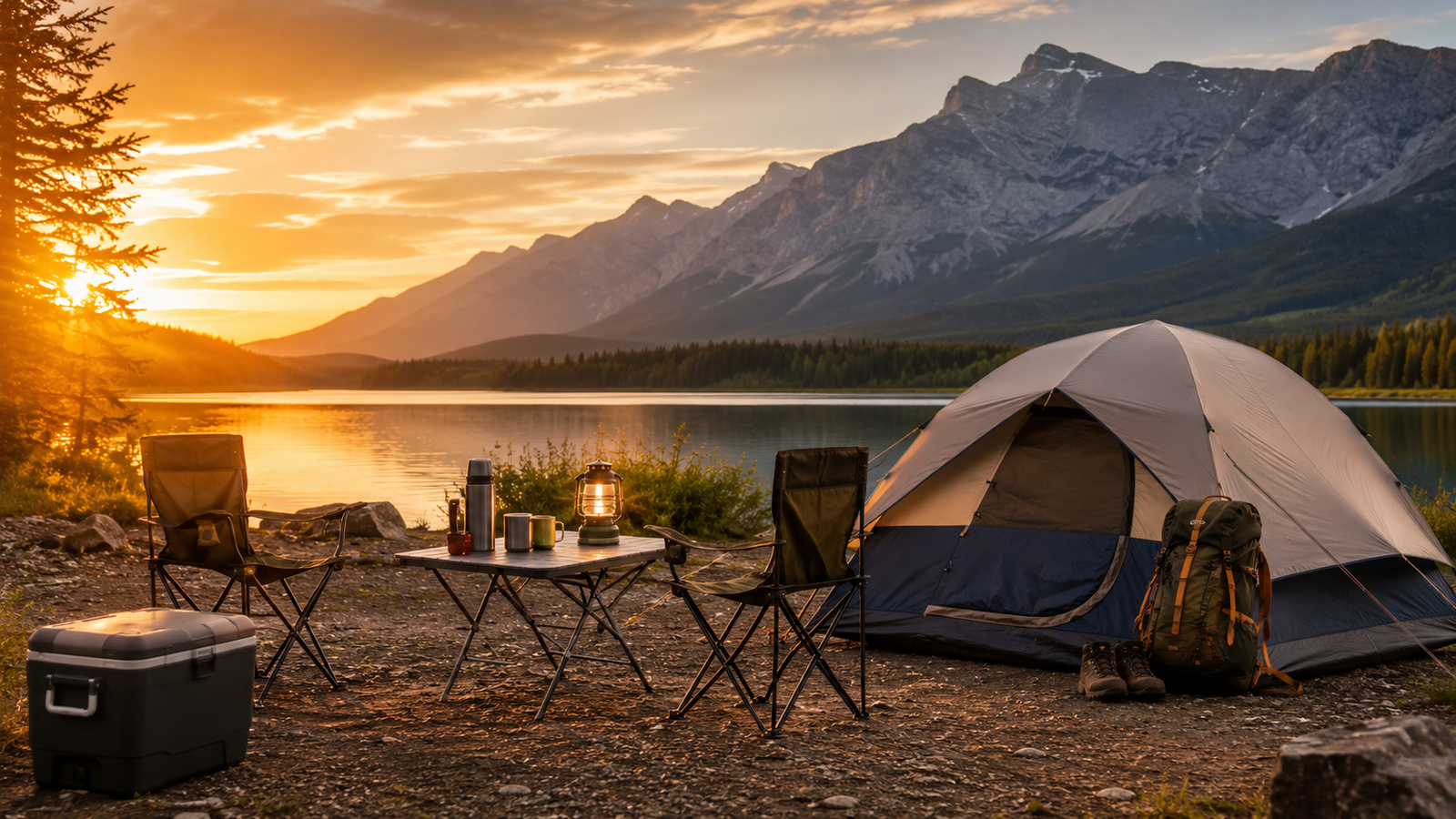
Your first camping trip should feel like a relaxing escape, not a test of how well you can survive without sleep, food, or a working flashlight, which is why following a well-planned Camping Essentials Checklist is so important.
The essential camping items every beginner needs are:
- A weather-appropriate tent
- Sleeping bags
- Sleeping pads or camping mattresses
- Lighting
- Drinking water
- Food and cooking equipment
- Weather-appropriate clothing
- A first-aid kit
- Navigation and emergency supplies
- Hygiene and waste-disposal products
You will also need campsite-specific items such as reservation details, food storage equipment, fire supplies, and rain protection.
The National Park Service recommends carrying its Ten Essentials for outdoor activities: navigation, sun protection, insulation, illumination, first aid, fire, repair tools, nutrition, hydration, and emergency shelter. Your exact packing list should then be adjusted for the destination, season, weather, trip length, and available campground facilities.
This guide organizes everything into clear categories, helping you prepare without overpacking or spending money on gear you may not need.
Complete Camping Essentials Checklist
Use this quick checklist before loading your car.
Shelter and sleeping
- Tent with stakes and guylines
- Tent footprint or groundsheet
- Sleeping bag
- Sleeping pad or camping mattress
- Camping pillow
- Extra blanket
- Tent repair kit
- Mallet or stake hammer
Campsite comfort
- Camping chairs
- A folding table, if one is not provided
- Headlamps
- Lantern
- Spare batteries
- Shade canopy when appropriate
- Outdoor mat
- Small broom and dustpan
Food and camp kitchen
- Drinking water
- Food and snacks
- Cooler with ice
- Camping stove and fuel
- Matches or lighter
- Cookware
- Plates, cups and utensils
- Sharp food-preparation knife
- Cutting board
- Can and bottle opener
- Paper towels
- Biodegradable soap
- Dishwashing container
- Trash bags
- Food-storage containers
Clothing and footwear
- Weather-appropriate layers
- Rain jacket
- Warm insulating layer
- Hiking shoes or sturdy footwear
- Extra socks
- Sleep clothing
- Hat
- Sunglasses
- Sun-protective clothing
- Camp shoes
Safety and navigation
- First-aid kit
- A map or a downloaded offline map
- Compass or GPS device
- Emergency contact information
- Whistle
- Multi-tool
- Repair tape
- Sunscreen
- Insect repellent
- Emergency blanket
- Portable power bank
Personal care
- Toilet paper
- Handwashing supplies
- Toothbrush and toothpaste
- Quick-dry towel
- Prescription medicines
- Menstrual products
- Portable toilet where needed
- Waste-disposal bags
Useful documents
- Campground reservation
- Vehicle pass
- Entrance pass
- Fishing or activity permits
- Identification
- Emergency contact details
- Printed directions
What Camping Gear Do Beginners Actually Need?
Beginners do not need the lightest, most technical, or most expensive equipment.
For a first car-camping trip, prioritize:
- A dry shelter
- A comfortable sleep system
- Enough food and safe drinking water
- Reliable lighting
- Weather protection
- Basic safety supplies
Car camping lets you keep equipment close to your vehicle, so weight and packed size matter less than they do on a backpacking trip. This makes it easier to bring comfortable bedding, a larger cooler, chairs, and simple kitchen equipment.
Before purchasing anything, check whether you can borrow or rent expensive gear. A tent, sleeping bags, mattresses, a stove, and a cooler can often be shared between several campers.
1. Choose a Beginner-Friendly Camping Tent
Your tent is the main barrier between you and rain, wind, insects, and uncomfortable ground conditions.
For a first trip, choose a tent that is:
- Large enough for every camper
- Appropriate for the expected weather
- Simple to assemble
- Equipped with a full or substantial rainfly
- Properly ventilated
- Tall enough for your preferred comfort level
A tent’s advertised capacity typically indicates how many sleeping pads fit inside, not how many people can live comfortably with bags, clothing, and other equipment.
A two-person tent can feel tight for two adults with gear. Couples often prefer a three-person tent, while two adults and two children may be more comfortable in a five- or six-person model.
Do you need a tent footprint?
A footprint or groundsheet protects the tent floor from dirt, moisture, and abrasive ground.
The footprint should not extend beyond the edges of the tent. Exposed material can collect rainwater and direct it underneath the floor.
Practice before leaving home
Set up the tent at least once before your trip. Confirm that:
- All poles are present.
- Stakes and guylines are included.
- The rainfly attaches correctly.
- You understand the setup sequence.
- The tent fits your sleeping equipment.
Discovering a missing pole at the campground after sunset is an avoidable way to begin a vacation.
Our upcoming guide to the best camping tents for beginners and families will compare tent sizes, weather resistance, setup systems, and price ranges.
2. Build a Comfortable Sleep System
A sleeping bag alone does not create a comfortable bed.
A complete camping sleep system includes:
- A sleeping bag or insulated quilt
- A sleeping pad or camping mattress
- A pillow
- Dry sleep clothing
The pad beneath you provides comfort and insulation from the ground. Even a thick sleeping bag can feel cold when placed directly on a cold surface because the insulation beneath your body compresses.
Sleeping bag temperature ratings
Choose a sleeping bag based on the lowest temperature realistically expected during the trip not just the average daytime temperature.
People experience cold differently. Your clothing, sleeping pad, body type, moisture, wind, and fatigue can all affect how warm you feel.
For cool-weather trips, bringing an extra blanket is a simple precaution when car camping.
Sleeping pad or camping mattress?
Choose a sleeping pad when you need:
- Easier packing
- Better portability
- Lower weight
- A solution suitable for future backpacking
Choose a camping mattress when you prioritize:
- More cushioning
- A larger sleeping surface
- Car-camping comfort
- Space for two sleepers
Check our planned guide to the best camping mattresses and sleeping pads before building your sleep setup.
3. Pack Reliable Campsite Lighting
Do not depend entirely on your phone flashlight.
Each camper should ideally have a headlamp. It keeps both hands free while cooking, setting up the tent, locating equipment, or walking to a restroom after dark.
Bring:
- One headlamp per person
- A lantern for the table or tent
- Spare batteries or charging equipment
- A small backup light
The National Park Service includes illumination among the Ten Essentials and specifically recommends a flashlight or headlamp as part of outdoor emergency preparation.
Choose a lantern with a lower brightness setting inside the tent. Excessive light can disturb nearby campers and make it more difficult for everyone to enjoy the night sky.
4. Bring Enough Safe Drinking Water
Never assume that every campground has potable water.
Check the official campground page for:
- Potable-water availability
- Seasonal shutoffs
- Boil-water notices
- Distance from the campsite to the water source
- Whether water must be carried in
Bring a refillable bottle for each camper and a larger water container for drinking, cooking, and cleaning.
Natural water can look clean while still containing harmful microorganisms. When the safety of a water source is uncertain, the CDC recommends boiling it, filtering it, and then disinfecting it with an appropriate method. Product instructions must be followed carefully because filters and treatment systems do not all remove the same contaminants.
For developed car camping, bringing treated water from home is usually simpler than relying on a natural source.
5. Create a Simple Camp Kitchen
Your first camping menu does not need to be complicated.
Choose meals that:
- It requires a few ingredients.
- Use the same cookware.
- Produce minimal waste
- Can be prepared quickly
- Remain safe in your cooler.
- Fit any campground fire restrictions.
A basic camp kitchen includes:
- Camping stove
- Appropriate fuel
- Lighter or matches
- One pot
- One frying pan
- Cooking utensil
- Knife and cutting board
- Plates, bowls and cups
- Eating utensils
- Cooler
- Water container
- Food-storage boxes
- Dishwashing supplies
- Trash bags
Do not rely on a campfire as your only cooking method. Fires may be prohibited because of dry weather, wildfire risk, high winds, or local regulations.
Easy first-trip meal ideas
Breakfast
- Oatmeal with fruit
- Bagels and nut butter
- Eggs and tortillas
- Yogurt and granola
Lunch
- Sandwiches
- Wraps
- Crackers, cheese and fruit
- Ready-made salads are kept safely chilled.
Dinner
- Pasta
- Tacos
- Pre-cooked rice bowls
- Soup
- Foil meals were permitted.
Snacks
- Trail mix
- Dried fruit
- Granola bars
- Fresh fruit
- Jerky
- Crackers
The CDC’s core food-safety guidance is to keep hands and surfaces clean, separate foods that may spread contamination, cook foods properly, and refrigerate perishable items promptly.
Use a separate cooler for drinks when possible. A food cooler stays cold longer when it is not opened every few minutes.
Our dedicated camp kitchen setup guide will cover cooking zones, food storage, washing dishes, and equipment organization in greater detail.
6. Store Food and Scented Products Correctly
Food storage is not only about protecting your dinner. It protects campers and wildlife.
Rules vary between destinations. Some campgrounds provide metal food lockers. Other locations require approved bear-resistant canisters, while certain areas permit specific hanging methods. Always follow the rules for the park, forest, or campground you are visiting.
Treat these items as potential wildlife attractants:
- Food
- Trash
- Coolers
- Cooking equipment
- Pet food
- Toothpaste
- Deodorant
- Sunscreen
- Lip balm
- Soap and scented toiletries
Some parks require food and scented products to remain secured whenever they are not being actively used. A normal tent, soft cooler, plastic tote, or unattended backpack is not an approved wildlife-resistant storage system.
Never leave food or trash outside overnight, even when you have not seen wildlife nearby.
7. Dress in Layers
Campground weather may feel very different after sunset.
A practical clothing system includes:
Base layer
Worn next to the skin to manage moisture.
Insulating layer
A fleece jacket, a synthetic insulated jacket, or a similar layer that helps retain warmth.
Weather-protection layer
A rain jacket or shell that protects against wind and precipitation.
Also pack:
- Comfortable hiking or walking footwear
- Extra socks
- Dry sleeping clothes
- Hat
- Sunglasses
- Camp shoes
- Gloves and a warm hat when nights are cool
Avoid sleeping in damp clothing. Keep one dry set reserved for the tent when rain is expected.
Check the forecast for both daytime highs and nighttime lows, but prepare for conditions to change.
8. Carry the Ten Outdoor Essentials
Even when camping at a developed campground, short hikes and unexpected weather can create problems.
The National Park Service’s Ten Essentials are:
- Navigation: map, compass, or GPS
- Sun protection: sunscreen, hat, and sunglasses
- Insulation: extra clothing and rain protection
- Illumination: headlamp or flashlight
- First aid: a suitable first-aid kit
- Fire: safe emergency fire-starting supplies where permitted
- Repair tools: knife, tape, and basic repair equipment
- Nutrition: additional food
- Hydration: additional water or treatment equipment
- Emergency shelter: emergency blanket, bivy, tarp, or similar protection
These items are intended to help with common problems such as minor injuries, route confusion, unexpected delays, and sudden changes in weather.
Adjust the kit to the environment. A desert trip requires more water and sun protection, while a cold mountain campground demands additional insulation and weather protection.
9. Assemble a Camping First-Aid Kit
A beginner’s first-aid kit should address minor injuries and provide temporary help while professional assistance is being arranged.
Consider packing:
- Adhesive bandages
- Sterile gauze
- Medical tape
- Antiseptic wipes
- Blister treatment
- Elastic bandage
- Tweezers
- Disposable gloves
- Any necessary personal medicines
- Pain relief is normally suitable for you.
- Emergency contact information
- First-aid instructions
Check expiration dates before every trip.
A kit is more useful when you understand how to use its contents. Consider completing a basic first-aid course, especially when you plan to camp away from developed services.
10. Use Campfires Responsibly
A campfire is optional, not an essential part of camping.
Before lighting one, confirm:
- Fires are currently permitted.
- The campground allows them.
- You are using an approved ring or grate.
- Wind conditions are safe.
- Water is immediately available.
- A responsible adult will supervise it.
Never leave a fire unattended.
The National Park Service advises visitors to check current restrictions, use established fire areas where required, keep fires manageable, and fully extinguish them before leaving. A fire is not fully out until the ashes and remains are cool to the touch with no smoldering material.
Do not move firewood over long distances. Buy it near the campground or follow local rules to reduce the risk of transporting invasive pests.
When fires are prohibited, use only cooking equipment allowed under the current restriction.
11. Pack Hygiene and Sanitation Supplies
Your hygiene kit may include:
- Toilet paper
- Handwashing water
- Soap
- Hand sanitizer
- Toothbrush and toothpaste
- Quick-dry towel
- Menstrual products
- Prescription medicines
- Waste bags
- Portable toilet if facilities are unavailable
Hand sanitizer is useful, but it is not a complete substitute for washing hands with soap and clean water in every situation. The CDC particularly emphasizes proper handwashing, access to safe water, and the separation of toilet areas from cooking and food storage spaces when camping.
Use established toilets whenever they are available.
In dispersed or backcountry locations, follow the exact human-waste rules issued by the managing agency. Requirements can vary based on soil, elevation, desert conditions, proximity to water, and visitor use.
12. Bring Basic Repair Equipment
Small gear failures can become major inconveniences.
A simple repair kit may contain:
- Strong repair tape
- Tent-pole sleeve
- Tent-fabric patch
- Mattress patch kit
- Multi-tool
- Spare cord
- Extra tent stakes
- Zip ties
- Sewing needle and strong thread
- Spare stove lighter
- Additional batteries
Keep equipment-specific repair pieces together in a labeled bag.
Inspect your tent, mattress, stove, chairs, and cooler before leaving home, rather than treating the campsite as a testing area.
13. Choose the Campsite Carefully
At an assigned campground, remain within your designated site and place your tent on the prepared tent pad where available.
Look for hazards such as:
- Dead branches overhead
- Low areas that may collect water
- Unstable ground
- Exposed roots or sharp rocks
- Strong wind exposure
- Nearby traffic
- Insect nests
- Signs of wildlife activity
The National Park Service advises campers to look above the tent for dead branches and consider risks such as flash flooding, lightning, strong wind, and unstable terrain when selecting a site.
In undeveloped areas, camp only where legally permitted. Leave No Trace guidance recommends using durable surfaces and established campsites where possible rather than damaging vegetation to create a new site.
14. Follow Leave No Trace Principles
Responsible camping helps protect the places people travel to enjoy.
The seven Leave No Trace principles are:
- Plan ahead and prepare
- Travel and camp on durable surfaces
- Dispose of waste properly.
- Leave what you find
- Minimize campfire impacts
- Respect wildlife
- Be considerate of other visitors.
These principles apply in remote wilderness, developed campgrounds, local parks, and many other outdoor spaces.
Practical examples include:
- Staying within your campsite
- Packing out trash
- Avoiding loud music
- Keeping pets controlled
- Not feeding wildlife
- Leaving plants, rocks, and historic objects in place
- Using established fire rings
- Following quiet hours
A good campsite should look almost unchanged after you leave.
Camping Essentials by Trip Type
Tent camping essentials
For a developed tent campground, prioritize:
- Tent and footprint
- Sleeping system
- Lighting
- Camp chairs
- Stove and cooler
- Water
- First-aid kit
- Rain protection
- Hygiene supplies
Car camping essentials
Car campers can add:
- Larger mattress
- Extra blankets
- Folding table
- Shade canopy
- Larger cooler
- Storage boxes
- Portable power station
- Additional cooking equipment
Read our best car camping gear guide for a comfort-focused setup.
Family camping essentials
Families may also need:
- Child-sized sleeping equipment
- Extra clothing
- Familiar food
- Sunshade
- Games and activities
- Child-safe lighting
- Additional hygiene supplies
- Emergency contact cards
- Child carrier, where appropriate
Cold-weather camping essentials
Cold-weather trips require:
- Properly rated sleeping bag
- Insulated sleeping pad
- Base layers
- Fleece or insulated jacket
- Warm hat and gloves
- Dry sleep clothing
- Additional food
- Weatherproof shelter
Do not use an unapproved fuel-burning heater inside a tent. Carbon monoxide, fire, burns, and reduced ventilation can create life-threatening conditions.
Our guides to keeping a tent warm safely and choosing the best cold-weather sleeping bags will cover this subject in detail.
Items Beginners Commonly Forget
These small items frequently cause unnecessary inconvenience:
- Tent stakes
- Rainfly
- Pillow
- Can opener
- Bottle opener
- Lighter
- Spare batteries
- Trash bags
- Dish towel
- Campground directions
- Reservation confirmation
- Charging cable
- Extra socks
- Toilet paper
- Insect repellent
- Sunscreen
- Prescription medicines
Place small essentials in one clearly labeled container instead of spreading them across several bags.
What Should You Not Bring Camping?
Avoid packing:
- Food you cannot store safely
- Glass containers were prohibited.
- Firewood is transported from a distant region.
- Speakers are intended for loud music.
- Fireworks
- Unnecessary valuables
- Equipment you have not checked
- Excessive single-use products
- Strongly scented items you do not need
- Prohibited weapons or tools
- A generator where campground rules forbid it
Always read campground regulations before packing. Rules regarding pets, fires, food storage, generators, vehicles, quiet hours, and site occupancy vary.
Many popular federal campgrounds require reservations, while others operate seasonally or on a first-come basis. The official park page, NPS app, or Recreation.gov listing should be checked before departure.
How to Pack for Camping Without Overpacking
Organize equipment into five containers:
1. Shelter box
Tent, footprint, stakes, mallet, repair kit, and tarp.
2. Sleep bag
Sleeping bags, pads, pillows, blankets, and sleep clothing.
3. Kitchen box
Stove, cookware, utensils, cleaning equipment, and dry food.
4. Safety box
First aid, lighting, batteries, navigation equipment, repair equipment, and emergency supplies.
5. Personal bag
Clothing, toiletries, medicines, a towel, and footwear.
Keep the items needed first, tent, rain gear, lighting, and reservation information easy to reach.
Avoid packing the tent beneath every other item. Arriving during rain or darkness becomes much harder when essential equipment is buried.
First Camping Trip Planning Checklist
Complete these steps before leaving home:
One to two weeks before
- Reserve the campsite
- Review campground rules
- Check fire regulations
- Confirm food-storage requirements
- Test the tent
- Inspect sleeping equipment
- Plan meals
- Check permit requirements
Two days before
- Review the forecast
- Charge electronics
- Freeze cooler ice packs.
- Purchase food
- Fill fuel containers appropriately.
- Print or save directions.
- Download offline maps
Departure day
- Fill drinking-water containers
- Pack refrigerated food
- Confirm medicines
- Check lights and batteries.
- Inform someone of your destination.
- Recheck road and campground alerts.
Frequently Asked Questions
What are the most important camping essentials?
The most important camping essentials are a suitable tent, sleeping bag, insulated sleeping pad, drinking water, food, lighting, weather-appropriate clothing, first aid, navigation, and emergency supplies.
What are the Ten Essentials for camping?
The Ten Essentials are navigation, sun protection, insulation, illumination, first aid, fire, repair tools, extra nutrition, extra hydration, and emergency shelter. They should be adapted to the location, weather, season, and duration of the trip.
What should a beginner bring on a camping trip?
A beginner should bring a complete shelter and sleeping setup, basic kitchen equipment, safe drinking water, simple food, lighting, layered clothing, hygiene products, a first-aid kit, and campsite-specific documents or permits.
How much water should I bring camping?
The required amount depends on the weather, activity level, individual needs, and cooking and washing. Bring more in hot or dry environments, and verify whether potable water is available at the campground. Never rely on untreated natural water without a suitable treatment plan.
Do I need a camping stove?
A camping stove is strongly recommended because campfires may be restricted, unavailable, difficult to light, or unsuitable for controlled cooking. Check whether your stove type is permitted during local fire restrictions.
Do I need a sleeping pad if I have a sleeping bag?
Yes. A sleeping pad adds cushioning and helps insulate your body from the ground. A sleeping bag alone may not provide enough insulation because its fill compresses under your weight.
What food should I bring camping?
Bring simple meals with minimal preparation, such as oatmeal, sandwiches, wraps, pasta, tacos, soup, fruit, trail mix, and granola bars. Keep perishable foods cold and follow campground food-storage rules.
Can I keep food inside my tent?
No. Food, trash, and scented products should not be kept in a sleeping tent. Use the food locker, vehicle, bear-resistant container, or other method required by the campground or land-management agency.
What is the best camping setup for beginners?
The easiest setup is usually a reserved drive-in campsite with potable water, toilets, a prepared tent pad, a picnic table, and a fire ring or grill where permitted. This provides an outdoor experience while keeping basic services nearby.
How early should I reserve a campsite?
Reserve as soon as your destination and dates are confirmed, especially for summer weekends, holidays, and popular national parks. Reservation windows vary, so check the official campground listing rather than assuming every location follows the same schedule.
Final Thoughts
A successful first camping trip does not depend on owning the most expensive equipment. It depends on staying dry, sleeping comfortably, eating safely, preparing for changing conditions, and understanding the rules of your destination.
Start with the true camping essentials:
- Reliable shelter
- A comfortable sleep system
- Food and safe water
- Lighting
- Weather protection
- First aid
- Navigation
- Responsible waste and food storage
Test your equipment before leaving, check campground alerts, and keep the first trip simple. A well-organized two-night stay at a developed campground is often a better introduction than an ambitious trip with unfamiliar equipment and a packed itinerary.
Once you understand what you genuinely use, you can gradually improve your camping setup without wasting money or filling your vehicle with unnecessary gadgets.
Leave a Reply